


In today’s fast-paced digital world, learning new skills online is easier than ever. Popular online platforms for learning provide access to courses on technology, business, creative arts, and professional development. They allow beginners to learn at their own pace, save costs, and gain valuable knowledge for career growth.
Choosing a trusted platform is crucial, especially for beginners, to avoid wasting time on low-quality or confusing courses. This guide explores the most popular online platforms for learning, their features, pros, cons, and beginner-friendly tips.
Why Use Popular Online Learning Platforms
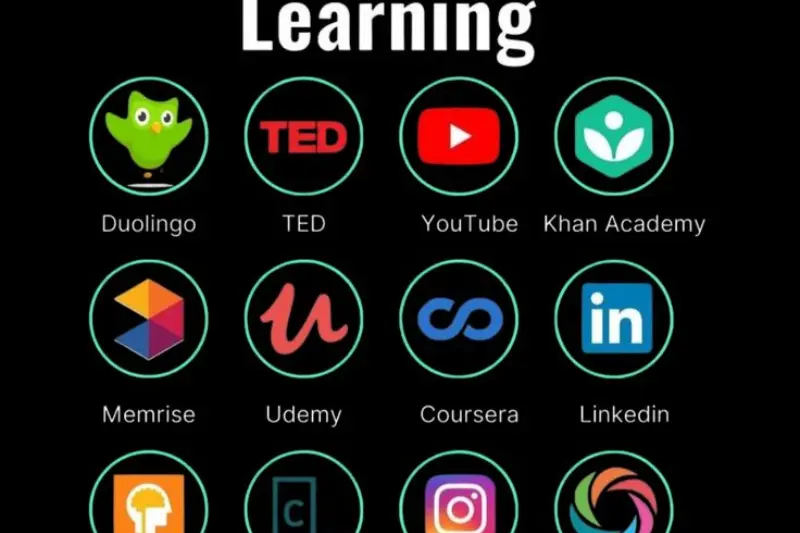
Online learning platforms offer several advantages for beginners:
- Flexibility: Learn anytime, anywhere.
- Wide Course Selection: From tech skills to art, the options are endless.
- Affordable Learning: Many platforms provide free or budget-friendly courses.
- Certifications: Earn credentials to boost resumes and portfolios.
- Interactive Learning: Access forums, exercises, and peer support.
Features to Look for in Learning Platforms
When evaluating popular online platforms for learning, beginners should consider:
Course Quality and Variety
Check for platforms offering diverse subjects taught by qualified instructors.
Ease of Use
The platform should be intuitive with easy navigation, clear instructions, and well-organized lessons.
Support and Community
Look for discussion forums, peer support, or instructor guidance to enhance learning.
Pricing Options
Many platforms offer free courses, monthly subscriptions, or one-time payments. Choose what fits your budget.
Certification
Some platforms provide certificates or badges for completed courses, which can help in career growth.
You may also like to read these posts:
Learn Technology Tools Online: Beginner Guide
Technology Tutorials for Starters: Easy Beginner Guide
Digital Skill Training for Beginners Guide
Online Skill Training Programs for Beginners
Popular Online Learning Platforms Reviewed
1. Coursera
- Best For: Accredited courses and certificates
- Pros: High-quality content, university-backed courses
- Cons: Certificates may require payment
- Pricing: Free courses available; paid certificates
2. Udemy
- Best For: Affordable and varied courses
- Pros: Wide range of subjects, lifetime access
- Cons: Course quality varies by instructor
- Pricing: One-time payment per course
3. Khan Academy
- Best For: Students and foundational learning
- Pros: Completely free, structured lessons
- Cons: Limited professional skill courses
- Pricing: Free
4. LinkedIn Learning
- Best For: Professional and career-oriented skills
- Pros: Certificates integrated with LinkedIn, professional focus
- Cons: Subscription required after free trial
- Pricing: Monthly or yearly subscription
5. edX
- Best For: University-level learning and credentials
- Pros: High-quality courses from top universities
- Cons: Paid certificates can be expensive
- Pricing: Free auditing; paid certificates
6. Skillshare
- Best For: Creative learning and hands-on projects
- Pros: Project-based learning, creative-focused
- Cons: Subscription required for full access
- Pricing: Monthly or annual subscription
7. Pluralsight
- Best For: Tech skills and developer learning
- Pros: Structured tech learning paths, certification prep
- Cons: Focused mainly on tech subjects
- Pricing: Subscription plans
Tips for Beginners Using Online Platforms

- Start Small: Choose one beginner-friendly course at a time.
- Check Reviews: Look for student feedback on course quality.
- Use Free Trials: Explore platform features before subscribing.
- Set Learning Goals: Decide what skills you want to gain.
- Practice Consistently: Regular practice ensures skill retention.
Benefits of Using Popular Online Platforms
- Accessible Learning: Learn from home without commuting.
- Flexible Pace: Adjust learning to personal schedules.
- Career Growth: Build skills that are relevant in the job market.
- Affordable Education: Many platforms provide low-cost or free options.
- Confidence: Gain digital skills and knowledge progressively.
Challenges Beginners May Face
- Overwhelming Choices: Popular online platforms for learning-Many platforms and courses to choose from.
- Self-Discipline: Popular online platforms for learning-Learning online requires motivation and consistency.
- Quality Variation: Popular online platforms for learning-Not all courses meet professional standards.
Beginners can overcome these challenges by selecting highly rated platforms, starting with simple courses, and sticking to a learning schedule.
Frequently Asked Questions
What are popular online platforms for learning?
They are websites and apps offering courses across subjects, including Coursera, Udemy, Khan Academy, LinkedIn Learning, edX, Skillshare, and Pluralsight.
Are online learning platforms free?
Some platforms offer free courses, while others require subscriptions or payment for certificates.
Can beginners benefit from these platforms?
Yes, beginners can gain foundational knowledge, build new skills, and improve career opportunities.
How do I choose the right platform?
Consider your learning goals, course quality, pricing, and ease of use before selecting a platform.
Are certificates from online platforms recognized?
Many certificates from platforms like Coursera, edX, and LinkedIn Learning are recognized by employers and educational institutions.
Conclusion
Popular online platforms for learning offer beginners a convenient, flexible, and effective way to gain new skills. From foundational education to professional development, these platforms provide a wide variety of courses and certifications. By choosing trusted platforms, following structured lessons, and practicing consistently, beginners can successfully grow their knowledge, skills, and career prospects.